 1&1 bietet seinen Kunden mit „SmartDrive“ eine Cloud Storage Lösung an. Dateien können zum SmartDrive mit einem web interface übertragen werden. FTP wird aus Sicherheitsgründen nicht angeboten, wohl aber WebDAV. Der Versuch, einen Laufwerksbuchstaben an den mit WebDAV in Windows XP konfigurierten SmartDrive Netzwerkort zu koppeln, scheitert. 1&1 fordert nämlich eine verschlüsselte Verbindung (SSL, https). Einen mittels https-WebDAV ins Netzwerk eingebundenen Server kann XP leider nicht ohne weiteres als Laufwerk einbinden. Es gibt hierfür aber eine Lösung. Continue reading
Google Analytics Datenschutz
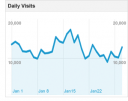 Wer die datenschutzrechtlichen Rahmenbedingungen für die Nutzung von Google Analytics auf deutschen Websites noch nicht kennt, sollte sich spätestens jetzt informieren.
Close button in iOS app?
 Apple is quite strict about their Human Interface Guidelines for iOS devices. Complying with these guidelines is not always easy though. Much of what Apple states in the guidelines is open to interpretation. It’s a guideline, after all. Lots of statements such as „in general…“, „if possible…“, „in most cases“.
Apple’s developer support avoids clear answers on questions about the guidelines. If your question is a tricky one, they will much rather refer back to the guideline or recommend you simply submit you app and give it a try. Continue reading
AusweisApp und neuer Personalausweis
 Was für eine Enttäuschung! Ich hatte gehofft, der neue Personalausweis würde endlich eine verlässliche und sichere online Authentisierung ermöglichen. Nach zwei Stunden Frustration mit Installation der AusweisApp und vielen gescheiterten Tests komme ich heute zu dem Ergebnis, dass sich diese Technik in der jetzigen Form sicher nicht durchsetzen wird. Da muss noch einiges verbessert werden. Continue reading
Neues Fritz!Box Session ID Login Verfahren in Perl
Von diesem Artikel gibt es eine aktualisierte Version.
Neue FRITZ!Box mit DSL 6000
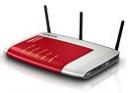 Wir hatten uns vor Monaten entschlossen, den alten 1&1 Vertrag auf DSL 6000 zu erhöhen, auch wenn man dafür auf dem platten Land mit 5 Euro mtl. Zusatzkosten bestraft wird. Jetzt habe ich endlich die Zeit gefunden, meine neue FRITZ!Box Fon WLAN 7270 zu installieren.
DSL 6000 funktioniert noch nicht 100%. Anscheinend wird die Bandbreite auf 3456 kBit/s gedrosselt. Ich habe den 1&1 support gebeten, das zu korrigieren. Die FRITZ!Box hängt im Netzwerkschrank im Keller. Tolles Gerät mit vielen features. Endlich haben wir den beiden großen Kindern auch ihre eigenen Rufnummern und DECT Telefone verpasst. Kein stundenlanges Blockieren der Leitung mehr.
Ich habe Perl scripts geschrieben, die via HTTP ein mal täglich mit der FRITZ!Box verbinden. Ein script liest die ein- und ausgehenden Anrufe aus und speichert die neuen Anrufe in eine CSV Datei. Ein anderes script liest die öffentliche IP Adresse aus, schickt sie mit HTTP an meine dynamic DNS provider (selfhost.de, dyndns.com) und mit FTP an eine Seite auf meiner Website. Ich weiß dadurch immer, wie ich meinen Laptop im Keller erreichen kann, auf dem die Photovoltaikdaten gespeichert und auf einer nicht-öffentlichen Website angezeigt werden. Alle paar Stunden werden sie von dort auch auf die soldierer.com Photovoltaikseite übertragen.
Der WLAN Empfang reicht leider nicht bis in den Garten. Ohne Repeater ist die Reichweite bescheiden, noch nicht einmal vom Keller in die erste Etage. Zum Glück haben wir in allen wichtigen Räumen LAN Dosen. Typisch Deutschland… alles was funkt muss so schwach wie möglich sein. Das Signal wird von den Stahlbetondecken geschluckt.
Das Web-Interface des Routers ist gegenüber der alten Version deutlich verbessert worden. Auch wartet die Hardware der FRITZ!Box mit einer Reihe nützlicher Neuerungen auf. DECT Telefone können z.B. direkt mit der Box kommunizieren, und ein USB Anschluss ermöglicht das Anschließen einer externen Festplatte oder eines Druckers.
Alles in allem eine lohnenswerte Investition. DSL 6000 flat rate (hoffentlich bald auch in voller Bandbreite), Telefon flat rate, Handy Deutschland flat rate, 4 VoIP-Telefonnummern mit eigener mailbox, toller Router, und alles zu einem Preis mit dem ich zu meiner Studienzeit noch nicht einmal die Telefonkosten decken konnte.
Tag der Erneuerbaren Energien
 Am 25.04.2009 findet der 14. Tag der erneuerbaren Energien statt, an dem in ganz Deutschland Betreiber von Anlagen, die erneuerbare Energien nutzen, ihre Türen für interessierte Besucher öffnen. Leider können wir in diesem Jahr wegen einer Famlienfeier keinen Tag der offen Tür veranstalten. Hoffentlich nächstes Jahr wieder.
Lohnt sich teure energiesparende Haustechnik?
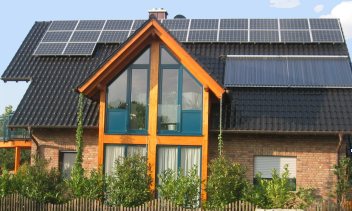 Wir wohnen jetzt bereits 4,5 Jahre im neuen Haus. Unsere Energiekosten werden ausschließlich durch den Verbrauch an elektrischer Energie und Holzpellets bestimmt. Im folgenden werden für unseren Haushalt die jährlichen Energiekosten den zusätzlichen Investitionskosten eines Niedrigenergiehauses gegenübergestellt.
Technik
- Niedrigenergiehaus NEH 60 mit guter Dämmung, Luftdichtheit und konsequenter Vermeidung von Wärmebrücken
- Solarthermie mit Heizungsunterstützung
- Photovoltaikanlage (3600 kwh/Jahr Einspeisung)
- Kontrollierte Wohnraumlüftung mit Wärmerückgewinnung und Erdwärmetauscher
- Holzpellet-Heizung
Jahresverbrauch
- Holzpellets: 3,2 to
- Strom: 6000 kwh
Verbrauchsabhängige Kosten
(inkl. Umsatzsteuer, Jahresdurchschnitt nach 4,5 Jahren)
- Holzpellets: 620 Euro
- Strom: 1140 Euro
Ich denke für einen 5-Personen-Haushalt mit 200 m2 Wohnfläche im freistehenden Einfamilienhaus sind das einigermaßen vernünftige Werte. Der gegenüber einem Durchschnittshaushalt höhere Jahresstromverbrauch wird zwar zum Teil durch die Energietechnik selbst verursacht (Lüftungsanlage, Pelletförderung), ist daber dennoch zu hoch. Alleine die Computer und Fernseher im Haus verbrauchen bereits ca. 600 kwh pro Jahr und tragen damit nicht unerheblich zum schlechten Gewissen bei.
Zieht man von den Gesamtkosten (1760 Euro) die Einspeisevergütung ab (2500 Euro) , ergibt sich ein Überschuss von 740 Euro pro Jahr. Für den Besitzer eines Einfamilienhauses mit Standardenergietechnik und vergleichbarem Stromverbrauch sah die durchschnittliche jährliche Rechnung in den vergangenen 4 Jahren ganz anders aus. Dem folgenden Beispiel liegt eine Ölheizung mit Warmwasserbereitung zugrunde. Stromkosten für Lüftungsanlage und Pelletförderung (ca. 700 kwh/Jahr) entfallen.
- Heizölkosten bei Einkauf von 2000 Liter für EFH mit Standard Energietechnik im Oktober 2008: 1400 Euro
- Stromkosten (5300 kwh): 1000 Euro
Im Vergleich mit einem Standard-EFH gleicher Größe mit Ölheizung sparen wir somit über 3000 Euro verbrauchsabhängige Energiekosten pro Jahr. Dem stehen natürlich die Investitions- und Unterhaltungskosten unserer Niedrigenergie-Gebäudetechnik gegenüber, die verglichen mit einem Standard-EFH und bezogen auf einen Zeitraum von 20 Jahren um ca. 60000 Euro höher ausfallen. Vordergründig macht sich bei monatlicher Einsparung von 3000 Euro die aufwändige Technik also nach 20 Jahren bezahlt. Ich überlasse es dem Leser, Zinseffekte einer Kreditfinanzierung bzw. der Anlage der monatlichen Einsparung in die Berechnung mit einzubeziehen
Unsere Entscheidung für eine Investition in die Energiezukunft haben wir jedenfalls nicht bereut. Sie lohnt sich für uns und die Umwelt gleichermaßen. Und das für uns nicht nur in fininzieller Hinsicht. Auch gesundheitliche Aspekte, verbundem mit erhöhtem Komfort (Wohnraumlüftung), tragen zur Zufriedenheit bei. Ganz zu schweigen vom guten Gefühl, erhebliche Mengen CO2 einzusparen.
Computer and network security
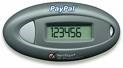 Whenever I take a look at our web server log files, I am amazed how many robots are trying to hack their way into our machines every day. And whenever I help a friend or neighbor to fix a computer problem, I need to explain even the most essential safety measures as most PCs are infected with some trojan or virus already. Continue reading